
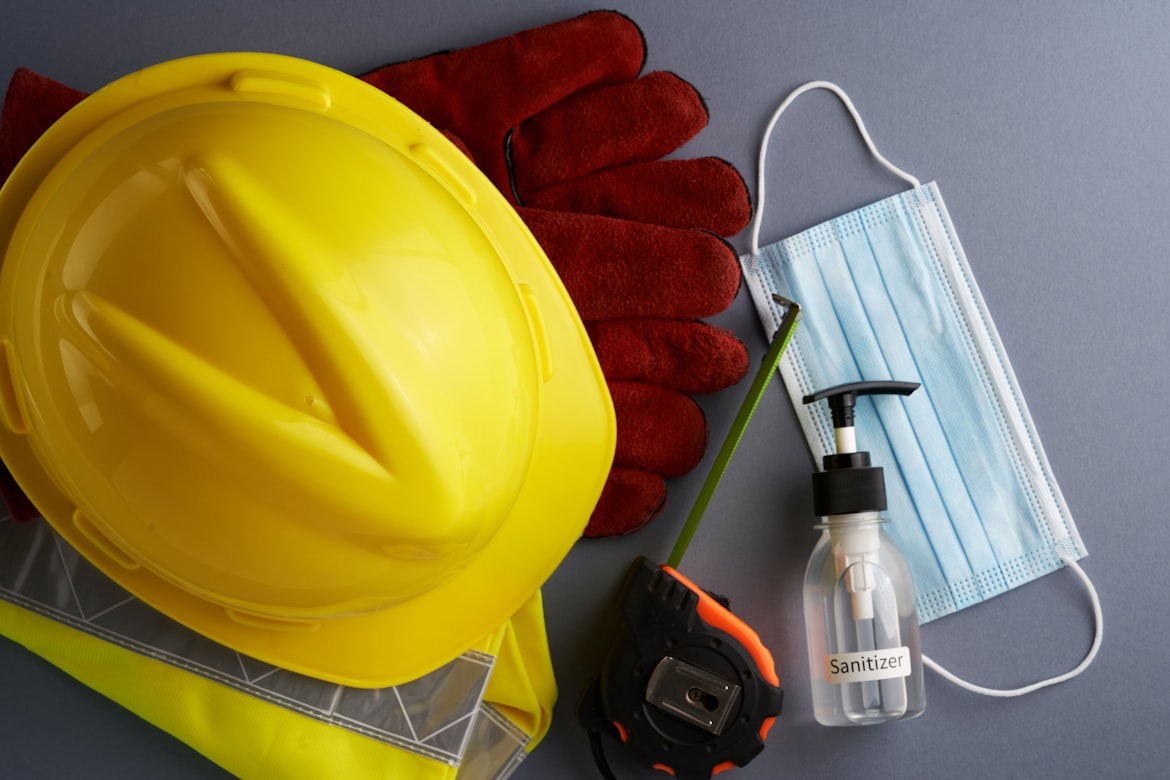
Working in extreme temperatures can cause heat stress or cold stress. controls must consider climate, workload, clothing and acclimatisation. We assess heat risk and implement practical measures, such as shading, hydration, breaks, job design, and emergency response aligned with SafeWork Australia and WorkSafe WA guidance.
Our thermal stress assessment evaluates environmental conditions (air temperature, humidity, air movement, radiant heat), metabolic rate and clothing. We use indices such as Wet Bulb Globe Temperature (WBGT) and Thermal Work Limit (TWL) to determine acceptable work–rest schedules.
A site‑specific heat/cold management plan, worker training materials and monitoring templates to keep controls consistent.
Have a question or planning a project? Contact our team for expert guidance and reliable support.